2026 Top Trends in Automotive Parts Manufacturing What to Expect?

Time:2026-07-14 Author:Sienna
0%

The automotive parts manufacturing industry is on the brink of transformation. With technological advancements, the sector is expected to experience significant changes by 2026. According to the latest industry report by Mordor Intelligence, the global automotive parts market is projected to reach $1.3 trillion by 2026, driven by innovations and evolving consumer demands.

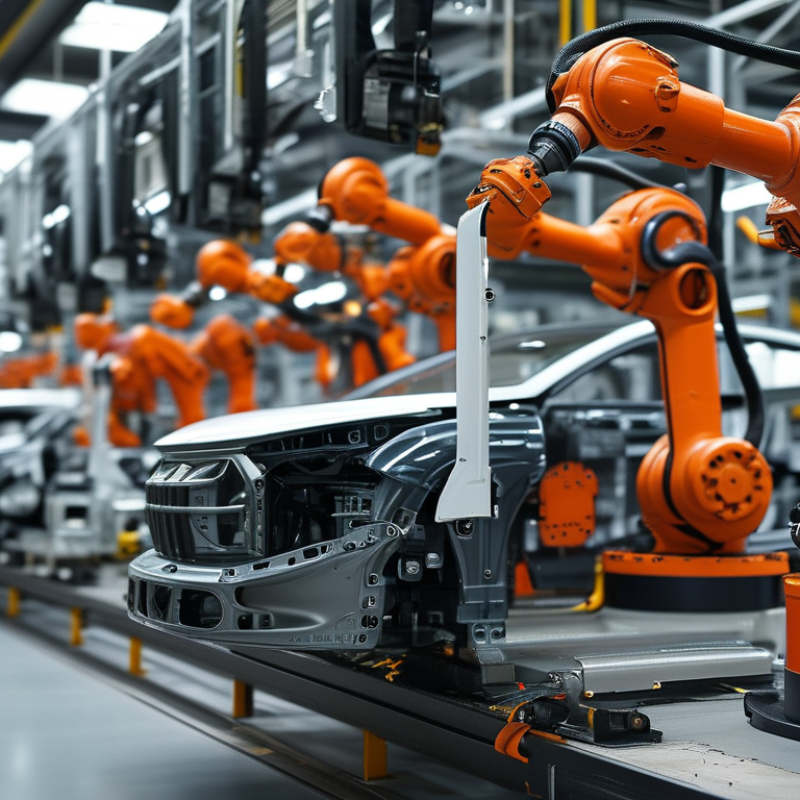
What are the latest trends in automotive parts manufacturing? One key development is the rise of electric vehicles (EVs). As manufacturers pivot toward eco-friendly alternatives, the demand for specialized components grows. There is also an increased focus on automation and smart manufacturing. Robots and AI are becoming integral in production lines, enhancing efficiency and precision.

Moreover, sustainability is becoming paramount in parts sourcing and production. Companies are exploring recycled materials and sustainable practices to reduce their environmental footprint. However, adapting to these trends poses challenges. Not all manufacturers are equipped for such rapid changes, leading to questions about workforce adaptability. Understanding these dynamics is crucial for stakeholders aiming to thrive in this evolving landscape.
2026 Top Trends in Automotive Parts Manufacturing What to Expect?

Emergence of Advanced Materials in Automotive Parts Manufacturing

The automotive industry is undergoing a notable shift with the emergence of advanced materials in parts manufacturing. Lightweight composites and innovative metal alloys are gaining traction. These materials improve fuel efficiency and vehicle performance while reducing emissions. Manufacturers are now exploring sustainable options like bio-based plastics. This shift addresses environmental concerns in production.

Cost and scalability remain challenges in adopting advanced materials. New manufacturing processes may require investment in technology and skills. Traditional methods may not easily integrate with these materials, leading to potential delays. Companies must weigh the benefits against the costs and feasibility of implementation. Understanding material properties is crucial for design and safety.

Collaboration among material scientists, engineers, and manufacturers is essential. This interdisciplinary approach can drive innovation and ensure the best use of new materials. As the industry evolves, companies must stay informed about trends and developments. The path to adopting advanced materials is complex, yet it offers significant promise for the future of automotive parts manufacturing.

2026 Top Trends in Automotive Parts Manufacturing

Impact of Automation and Robotics on Manufacturing Processes

The impact of automation and robotics on automotive parts manufacturing is profound. By 2026, it's projected that about 60% of manufacturing processes will incorporate some form of automation. This transformation aims to enhance efficiency and reduce production costs. Data from industry reports suggest that companies utilizing robotic systems can see a reduction in operational costs by up to 30%.


However, this shift is not without challenges. While automation can streamline operations, there are concerns about job displacement. Skilled labor may become scarce as tasks traditionally performed by humans are replaced by machines. Reports indicate that in certain sectors, this could lead to a gap of 1.5 million workers by 2025. Companies will need strategies to reskill their workforce to adapt to new technologies.


Moreover, the integration of robotics often leads to increased complexity in manufacturing systems. The technology requires ongoing maintenance and updates, which can be resource-intensive. Many companies face difficulties in realizing a return on investment quickly. Some may find that their initial goals of efficiency and cost reduction are not met, necessitating a careful evaluation of their automation strategies. Balancing technological advancement with human resource management will be key for a successful transition in the automotive parts manufacturing landscape.

Sustainable Practices and Green Technologies in Automotive Parts

The automotive parts manufacturing industry is experiencing a shift towards sustainable practices and green technologies. Industry reports indicate that over 70% of manufacturers prioritize eco-friendly processes. This trend is driven by consumer demand for greener products and stringent regulatory requirements. Automakers aim to reduce their carbon footprints by optimizing supply chains and integrating renewable materials.

Incorporating sustainable materials, such as bioplastics or recycled metals, significantly impacts production efficiency. According to a recent study, the use of recycled aluminum can reduce energy consumption by up to 95%. These practices not only fulfill environmental goals but also enhance operational efficiency. However, challenges remain. Supplier availability and material costs can hinder widespread adoption.

Tips: Consider sourcing local materials. This reduces transportation emissions. Engaging in life cycle assessments helps manufacturers identify areas for improvement. Regular evaluations of energy usage can unveil opportunities for further sustainability efforts. The transition to greener technologies demands commitment and innovation, but the potential rewards are substantial.

2026 Top Trends in Automotive Parts Manufacturing: What to Expect?

Trend Description Impact Adoption Rate Future Outlook
Sustainable Materials Increasing use of eco-friendly materials in part production. Reduces environmental footprint. 65% Expected to rise by 20% in the next 5 years.
3D Printing Adoption of additive manufacturing for custom parts. Reduces waste and lowers costs. 50% Rapid growth anticipated by 2026.
Circular Economy Focus on recycling and repurposing automotive parts. Promotes sustainability and resource efficiency. 40% Growth expected as companies shift practices.
Smart Manufacturing Integration of IoT and AI in manufacturing processes. Increases efficiency and reduces downtime. 70% Expected to become standard practice.
Energy Efficiency Improvement of energy use in production facilities. Significantly lowers carbon emissions. 60% Increased investments in clean energy technologies.

Integration of Digital Technologies in Automotive Production

The automotive industry is witnessing a seismic shift with the integration of digital technologies. Recent studies illustrate that 70% of manufacturers are adopting smart technologies to enhance production efficiency. These technologies include robotics, AI, and IoT systems, which streamline operations and reduce waste. However, this shift isn't entirely seamless. Many companies struggle with the initial costs and the training required for their workforce.

Moreover, the digital transformation in automotive parts manufacturing presents challenges. A report by McKinsey states that while investments in digital tools can increase productivity by 20-30%, many companies report mixed results. The complexity of integrating legacy systems with new digital solutions often leads to disruptions in production schedules. It's crucial for manufacturers to find the right balance between innovation and maintainability.

Additionally, cybersecurity concerns are rising with digital adoption. As IoT devices become prevalent, vulnerabilities emerge. A study by Deloitte found that over 60% of manufacturers fear cyber-attacks could jeopardize their operations. Thus, while digital technologies offer significant advantages, they also provoke essential discussions about risks and mitigation strategies. Adopting these technologies must include robust cybersecurity measures, ensuring that the advancements do not come at a cost.

Shifts in Consumer Demand and Their Effects on Manufacturing Trends

The automotive parts manufacturing landscape is shifting rapidly. Consumer demand plays a crucial role in these changes. With a growing emphasis on sustainability, manufacturers are now forced to rethink their production materials. More consumers want eco-friendly components. This shift is challenging, as sourcing sustainable materials can be difficult.

Technological advancements also influence consumer preferences. Electric vehicles (EVs) are gaining traction. This has increased the demand for components tailored to EV technology. Manufacturers must adapt to this newfound urgency. But, keeping pace is challenging, especially for smaller firms. They often lack the resources to pivot quickly.

Additionally, customization is on the rise. Consumers now expect personalized automotive solutions. This pushes manufacturers to enhance their production processes. However, flexibility in manufacturing can lead to inefficiencies. Striking a balance between efficiency and responsiveness is not easy. Continuous evaluation and adaptation are necessary to remain competitive.

FAQS

: What is the projected percentage of manufacturing processes that will incorporate automation by 2026?

: About 60% of manufacturing processes are expected to use some form of automation by 2026.

How can companies benefit from using robotic systems in manufacturing?

Companies may reduce operational costs by up to 30% with robotic systems, enhancing efficiency.

What concern arises from the shift to automation in manufacturing?

Job displacement is a significant concern as machines replace tasks previously done by skilled labor.

How many workers may be displaced in certain sectors by 2025?

Reports suggest a gap of 1.5 million workers may occur in specific sectors by 2025.

What is one key challenge in adopting sustainable practices in automotive parts manufacturing?

Material costs and supplier availability can hinder the widespread adoption of sustainable practices.

Why is there a push towards using recycled materials in manufacturing?

Recycled materials can significantly reduce energy consumption, fulfilling environmental goals and enhancing efficiency.

What percentage of manufacturers are adopting smart technologies in automotive production?

About 70% of manufacturers are integrating smart technologies to improve production efficiency.

What challenge do companies face when integrating digital technologies?

Many struggle with initial costs and training their workforce to use new digital technologies effectively.

What cybersecurity concern arises with digital adoption in manufacturing?

Over 60% of manufacturers fear cyber-attacks could threaten their operations due to IoT device vulnerabilities.

What must manufacturers consider alongside adopting new digital technologies?

Manufacturers need robust cybersecurity measures to mitigate risks associated with digital adoption.

Conclusion

The automotive parts manufacturing industry is undergoing significant transformations, with several key trends shaping its future. Firstly, the emergence of advanced materials is revolutionizing the production of automotive components, enhancing performance and sustainability. Additionally, automation and robotics are streamlining manufacturing processes, increasing efficiency and precision. Another crucial aspect is the integration of sustainable practices and green technologies, which address environmental concerns while meeting regulatory standards.

As consumer demand shifts towards more innovative and eco-friendly vehicles, manufacturers are adapting to these changes by integrating digital technologies into their production lines. This leads to enhanced connectivity and data-driven decision-making, enabling companies to respond rapidly to market dynamics. In summary, the latest trends in automotive parts manufacturing revolve around advanced materials, automation, sustainability, and digital integration, all aimed at creating a more efficient and eco-conscious industry.

Sienna

Sienna

Sienna is a skilled marketing professional with a deep expertise in our company’s core products and services. With a passion for innovation and detail, she plays a pivotal role in crafting insightful blog posts that not only highlight the unique features of our offerings but also provide valuable......